Used vs. New Stairlifts: Is a Refurbished Stairlift Safe?
A real, honest answer — not a sales pitch either direction.
(817) 789-6814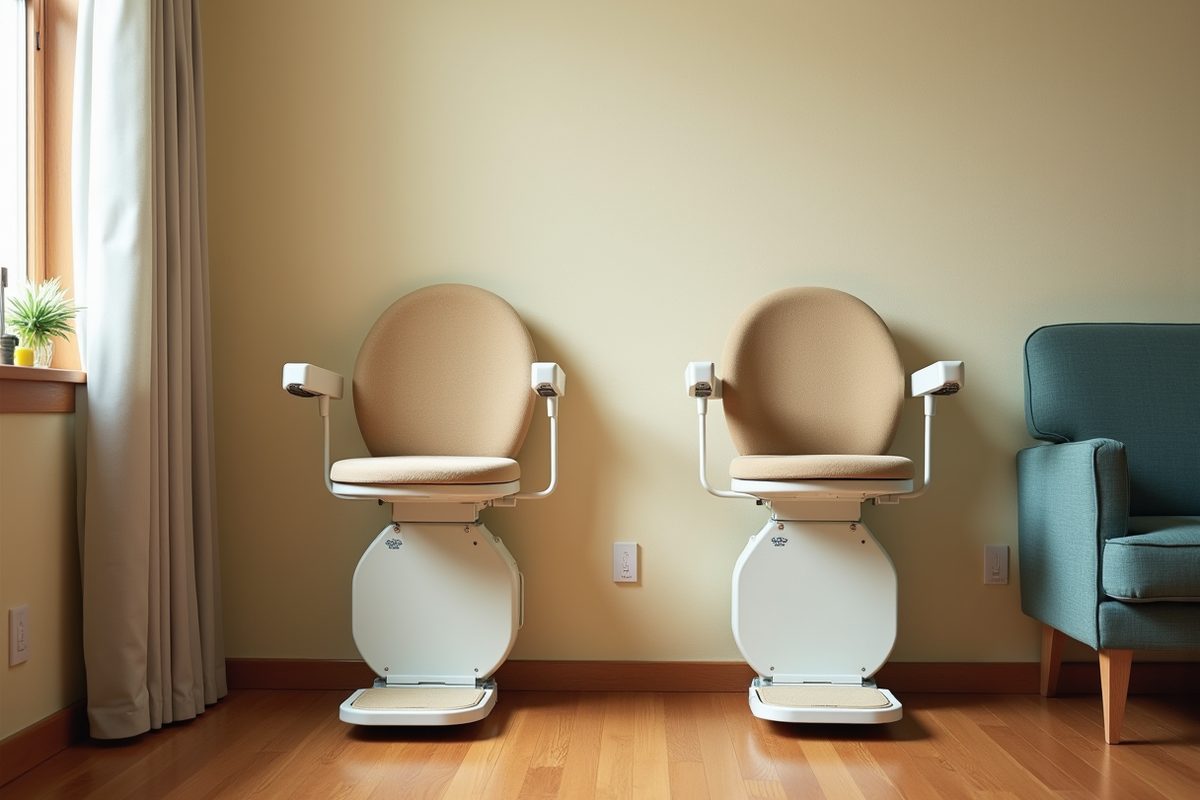
Short answer: a reconditioned stairlift, properly inspected and installed, is a safe and often smart budget choice. The risk isn't "used" — it's "unverified." The whole decision comes down to two questions: does your situation fit the reconditioned profile, and can the seller prove — in writing — that "reconditioned" means something? Here's how to answer both without a salesperson's help.
Is a refurbished stairlift actually safe?
Yes — with the paperwork; no — without it. A stairlift is deliberately boring engineering: a rail bolted to the stair treads, a battery-powered carriage, sensors that stop it when something's in the way (the full tour is in How Stair Lifts Work). Machines like that recondition well — when someone actually does the reconditioning: a documented inspection, worn parts (batteries above all) replaced rather than wiped down, certified installation, and a written warranty. Those four proofs are spelled out, with the private-sale math, in our Used & Reconditioned in DFW guide. A unit missing any of them isn't a bargain — it's a used lift wearing a nicer word.
When does reconditioned make sense?
- The staircase is straight. Straight rail is standardized, which is why the reconditioned market is essentially a straight-lift market — and why the option exists at all.
- The budget genuinely matters. A reconditioned unit with real paperwork does the same daily job for meaningfully less. For a family choosing between a verified reconditioned lift and no lift, this is the honest answer, and we lead with it rather than burying it below the new-unit pitch.
- The planning horizon is shorter. When the realistic need is measured in a few years rather than a decade-plus, paying for maximum service life buys years that may never be used.
When does new earn its price?
- The staircase curves or has a landing. Curved rail is custom-fabricated per staircase and seldom refits another — reconditioned curved units are rare, so curved usually means new. (Whether yours is curved: the two-minute check.)
- You want the longest runway. A new unit brings the full manufacturer warranty, the current feature set, and every year of its service life still ahead of it.
- Model choice matters. Reconditioned stock is whatever exists; new opens the full catalog — seat sizes, rail options, finishes.
What new does not buy is a different safety standard. A verified reconditioned lift and a new lift both have to pass the same test that matters: certified installation on your actual staircase, working sensors, a written warranty someone stands behind.
The honest decision, in three questions
- Is the need permanent or temporary? Temporary — recovery, a season — points to renting, not buying anything.
- Is the staircase straight or curved? Curved effectively decides for new; straight opens the reconditioned option.
- Can the seller prove the reconditioning in writing? Yes: compare prices with confidence. No: walk, at any price.
Whichever branch you land on, the protection is the same one it always is: an itemized, written quote — the lift, the labor, and any extras as separate lines — from us or from anyone. The rest of the vetting standard lives in How to Choose an Installer.
Where to see real numbers
Deliberately not on this page: DFW planning ranges live in Used & Reconditioned Stair Lifts in DFW and the Price Estimator, which compares new against reconditioned for your staircase type. The offering itself is on the Used & Reconditioned service page — and a free in-home assessment turns any of it into an exact, itemized written quote.
Questions families ask us
Is a used stairlift safe to install?
A properly reconditioned unit — fully inspected, worn parts replaced, installed by a certified technician, backed by a real written warranty — is a legitimate option. An unverified used unit installed without inspection is not the same thing. The risk isn't 'used'; it's 'unverified,' and paperwork is what separates the two.
When does a reconditioned stairlift make sense over new?
When the staircase is straight, the budget matters, or the planning horizon is shorter — a reconditioned straight lift with real paperwork does the same daily job as a new one for meaningfully less. New earns its price when you want the longest service life, the current feature set, the full manufacturer warranty, or when the staircase is curved (reconditioned curved units are rare because curved rail is custom-made per staircase).
What should I check before buying a reconditioned stairlift?
Four things, all in writing: a documented inspection (what was checked), worn parts replaced and listed (batteries and consumables addressed, not just cleaned), certified installation, and a real warranty with its length and terms stated. Any seller — including us — should produce all four without friction.
Do reconditioned stairlifts have warranties?
A legitimate one does — in writing, with its length and coverage stated. It will usually differ from a new unit's manufacturer warranty, and that difference is normal; what matters is that the terms exist on paper and someone local stands behind them. No written warranty means you're buying a used lift, whatever the listing calls it.
Is renting better than buying used?
For a genuinely temporary need — recovery with an end date, a parent staying for a season — yes, renting often beats buying anything at all. Reconditioned is the budget path for a permanent need; rental is the path for a temporary one. Which category you're in is the first question, and it's worth answering honestly before comparing prices.
Back to the DFW Cost & Buying Guide for the full pricing picture, or find your city on the service areas page.
Get a Free In-Home Assessment
Tell us about your stairs and we'll follow up to schedule a no-pressure, free in-home assessment. No obligation.